




Nutritional Deficiencies
Description
Nutrients are the important components that we take from the food we eat, helping our body in proper growth and nourishment. When the diet we take lacks these important materials, our health is affected and the chances of getting disease increases.
TYPES:
- Calcium and vitamin D deficiency.
- Vitamin A deficiency.
- Most common type is Iron deficiency.
- Vitamin B deficiency (B1, B3, B9, B12)
- Vitamin C deficiency.
Causes
Nutritional deficiencies are caused by a variety of problems:
- Children under the age of 5 are having poor nutrition because of a specific diet and less nutrient-rich diet, and those on exclusive mother feed are suffering if the mother is nutrition deficient.
- Not getting a healthy nutritious diet.
- Getting a proper diet, but the body is unable to absorb the nutrition from food. This can be due to diseases like Crohn’s disease, celiac disease, and colon cancer.
- Some medicines (metformin in diabetes and long-term use of antacids) can cause vitamin B12 deficiency.
- Alcohol uses cause vitamin B1 deficiency.
- A pregnant mother can become iron deficient because of all the iron being used in the development of the baby.
- Poor countries have a higher ratio of nutritional deficient people.
- Surgery of parts of the digestive system.
Risk factors
Following are the risk factors for nutritional deficiencies:
- Pregnant females
- Nursing females
- Children
- Old people
- Pre-existing conditions
- AIDS.
Symptoms
- Iron-deficient patients show pale skin, eyes, and nails, with difficulty breathing due to anemia.
- There is weakness and low energy level at all times.
- Being sleepy, lazy and tired.
- Poor ability to concentrate and dizziness at times.
- Droopy (half open) eyelids and dull eyes.
- Forgetfulness and poor memory.
- Dry skin because of vitamin B3 deficiency.
- Bones and Joints become painful (low calcium and vitamin D).
- Teeth become weak, either chipping off or coming out.
- Bleeding gums when there’s vitamin C deficiency.
- There is Hair loss, muscle mass decreases and body gets lean and weak.
- Constipation becomes a problem.
- Palpitations (becoming aware of your heartbeat)
- Irregularity in the monthly cycle or heavy periods.
Diagnosis
The symptoms of weakness, disturbed sleep and an improper routine are itself suggestive of nutritional deficiency. However,
A doctor will take proper history with questions asked about your diet and eating habits.
He will examine your skin, nails, eyes, tongue, abdomen and overall body posture for signs of insufficient nutrition.
Blood Diagnostic tests for iron deficiency anemia, vitamin D and calcium.
Management
The goal of management is to maintain the nutrients at a healthy level for a better life. It includes:
- Increased nutrient intake
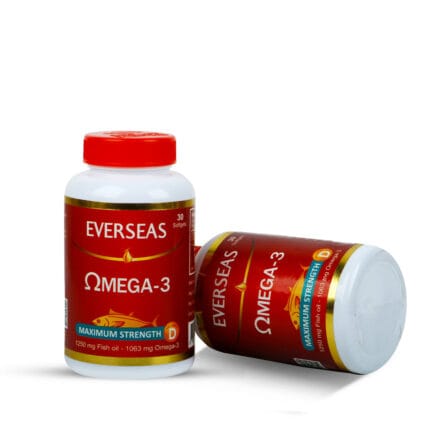
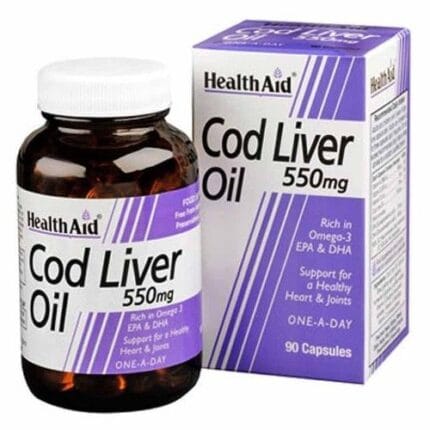
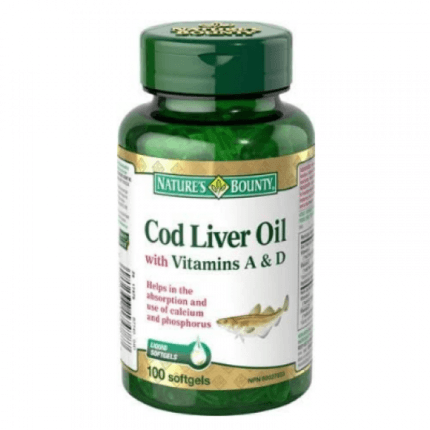
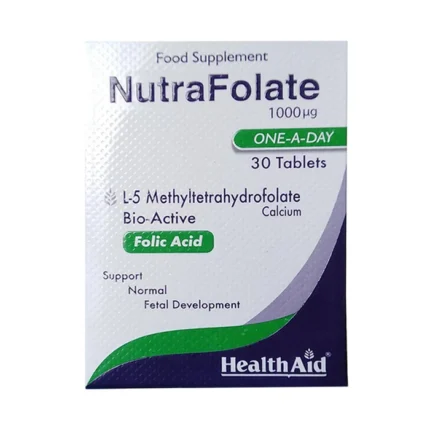
- Supplements
When to consult a doctor?
Consult a doctor if you think your symptoms persist or worsen even after months of treatment. Do not increase your supplement dose without consulting your doctor.













Reviews
There are no reviews yet.